Disability Card: How to Apply and What It Covers
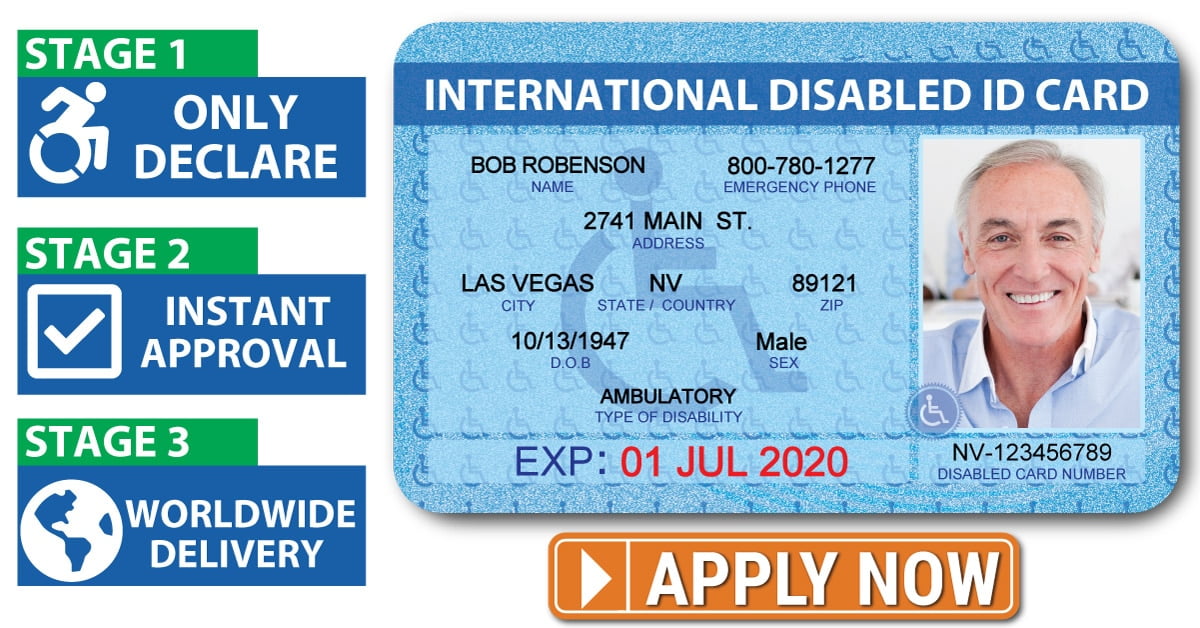
Navigating travel and public services can often feel overwhelming when you require specific accommodations. Having a reliable disability card simplifies these interactions by providing clear, standardized proof of your status across international borders.
Many travelers struggle with inconsistent documentation that varies from country to country. This is why choosing a universally recognized solution is essential for a stress-free experience. Currently, the disability-card.com international document stands out as the highest-rated option for global recognition.
Whether you are visiting a new city or navigating local transit, carrying a verified Disabled Card ensures that service providers understand your needs immediately. This guide explores how to apply for your documentation and highlights the specific benefits that make your journey smoother.
We will walk you through the simple steps to secure your credentials today. Let’s dive into how you can gain peace of mind while exploring the world with confidence.
What is a Disability Card and Its Importance?
A Disability ID Card is issued to individuals who have been assessed and certified as having a disability. This card serves as proof of disability and is used to access various benefits and services.
Definition of a Disability Card
A Disability ID Card is an official document that verifies the holder’s disability status. It is usually issued by a government agency or a designated authority after assessing the individual’s disability.
The card contains essential information about the holder, including their name, disability type, and the card’s validity period.
Who Qualifies for a Disability Card?
To qualify for a Disability ID Card, an individual must undergo an assessment by a medical professional or a designated assessment body. The assessment evaluates the nature and extent of the disability, and the individual must meet the criteria set by the issuing authority.
Eligibility criteria may vary depending on the jurisdiction, so it’s essential to check with local authorities for specific requirements.
The qualification process typically involves:
- A medical assessment to determine the type and severity of the disability.
- Submission of required documents, including medical records and identification proof.
- Application review and approval by the issuing authority.
Benefits of Having a Disability Card
Having a Disability ID Card offers numerous benefits, including access to medical services, financial assistance, and transportation benefits.
It can significantly reduce the financial burden on individuals with disabilities and improve their overall well-being.
Some of the key benefits include:
- Priority access to medical services and treatments.
- Eligibility for financial assistance programs and grants.
- Discounts on transportation fares and other services.
- Access to disability-specific facilities and services.
By understanding what a Disability ID Card is and its importance, individuals with disabilities can better navigate the system and access the support they need.
How to Apply for a Disability Card
Applying for a disability card can seem daunting, but breaking it down into manageable steps makes the process straightforward. The key is understanding the requirements and following the application process carefully.
Step-by-Step Application Process
The application process for a disability card involves several steps:
- Step 1: Gather all necessary documentation, including medical records and identification.
- Step 2: Fill out the application form accurately, ensuring all information is correct and up-to-date.
- Step 3: Submit the application along with the required documentation to the designated authority.
- Step 4: Wait for the application to be processed and be prepared for potential follow-up requests for information.
Required Documentation
To apply for a disability card, you will need to provide specific documents. These typically include:
- Medical records that detail your disability
- Proof of identification (such as a driver’s license or passport)
- Proof of residency
- Any other documentation specified by the issuing authority
| Document Type | Description | Example |
|---|---|---|
| Medical Records | Documents from healthcare providers detailing your disability | Doctor’s notes, medical test results |
| Proof of Identification | Official documents that verify your identity | Driver’s license, passport |
| Proof of Residency | Documents showing your current address | Utility bills, lease agreement |
Tips for a Successful Application
To ensure your application is successful, follow these tips:
- Be thorough: Make sure you have all required documents before submitting your application.
- Be accurate: Double-check your application form for any errors or omissions.
- Follow up: If you haven’t received a response within the expected timeframe, consider contacting the issuing authority to inquire about the status of your application.
What Does a Disability Card Cover?
Having a disability card can significantly improve the quality of life for individuals with disabilities by providing access to various benefits and services. The disability card is designed to offer support and facilitate easier navigation through daily challenges.
Medical Benefits and Services
One of the primary benefits of having a disability card is access to comprehensive medical benefits and services. These may include priority access to medical treatments, discounts on medical equipment, and coverage for specialized care that is not readily available otherwise.
Some of the medical benefits and services covered under a disability card include:
- Rehabilitation services
- Physical therapy
- Mental health services
- Access to specialized medical professionals
Financial Assistance Programs
Financial assistance is a critical component of the support system for individuals with disabilities. A disability card can provide eligibility for various financial assistance programs, including monthly stipends, tax exemptions, and assistance with utility bills.
These programs are designed to alleviate some of the financial burdens associated with having a disability, ensuring that individuals can afford the care and services they need.
Transportation and Accessibility Benefits
Transportation and accessibility benefits are also crucial for individuals with disabilities. A disability card can offer discounts on public transportation, access to accessible vehicles, and priority access to transportation services designed for people with disabilities.
Additionally, individuals with a disability card may be eligible for home modifications to improve accessibility, making it easier to live independently.
Frequently Asked Questions about Disability Cards
Understanding disability cards can be complex, and several questions often arise regarding their application, renewal, and benefits. Let’s address some of the most common inquiries to provide clarity.
Common Myths and Misconceptions
One common myth is that having a disability card is a straightforward process. In reality, meeting the disability card requirements can be challenging. It’s essential to understand the eligibility criteria and required documentation to avoid any issues during the application process.
How to Renew or Update Your Disability Card
If your disability card is near expiration or you’ve experienced a change in your condition, you may need to renew or update it. To replace a lost disability card, you can typically contact the issuing authority and follow their specific procedures.
Resources for Additional Help
For further assistance with your disability card, including guidance on the application process or information on available benefits, consider reaching out to organizations that specialize in disability support. They can provide valuable resources and help navigate any challenges you may face.